As the seasons change, many people notice shifts in mood, energy, and motivation. Shorter days, colder temperatures, and reduced sunlight can make even routine tasks feel heavier. For some, these changes go beyond occasional low mood and develop into seasonal affective disorder (SAD), a form of depression that follows a seasonal pattern.
When seasonal affective disorder intersects with substance use, the effects can be especially challenging. Alcohol or drug use may seem like a short-term fix for fatigue, sadness, or isolation. But over time, it can worsen mental health symptoms and increase the risk of addiction.
At Denoon Recovery Center in Waukesha, Wisconsin, we understand that seasonal depression and addiction often reinforce one another. This can create a cycle that can be difficult to break without professional support. Our integrated treatment approach addresses both mental health symptoms and addiction at the same time, helping individuals to develop healthier coping strategies, restore emotional balance, and build a strong foundation for lasting recovery.
What Is Seasonal Affective Disorder (SAD)?
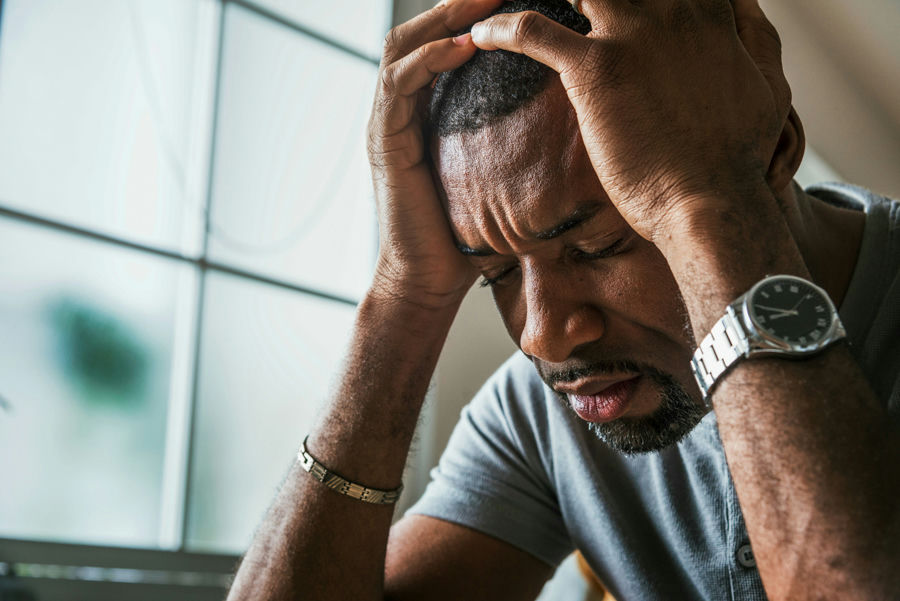
Seasonal affective disorder (SAD) is a type of depressive disorder that occurs during specific times of the year, most commonly during the fall and winter months. Unlike temporary “winter blues,” SAD involves persistent symptoms that interfere with daily functioning, relationships, and overall well-being.
In northern states like Wisconsin, reduced daylight during fall and winter is a major contributing factor to rates of SAD. Many individuals experience SAD symptoms as daylight hours shorten, often beginning in late fall and improving in spring or early summer. Less commonly, some people experience a summer-onset form of SAD associated with excessive heat and disrupted sleep.
SAD is a recognized and legitimate mental health condition, not a personal weakness or lack of resilience. When left untreated, it can significantly affect quality of life and increase vulnerability to unhealthy coping behaviors, including substance abuse.
Signs and Symptoms of Seasonal Affective Disorder
Seasonal Affective Disorder (SAD) is marked by recurring symptoms that appear during specific times of the year, most often in the fall and winter months. When left unaddressed, these symptoms can interfere with daily functioning, relationships, and overall well-being, making it important to seek professional support when seasonal mood changes become overwhelming or persistent.
Symptoms of seasonal affective disorder vary in severity and presentation, but they often resemble those of major depressive disorder. Common signs include:
- Persistent low mood or sadness
- Loss of interest in activities once enjoyed
- Fatigue or low energy, even with adequate sleep
- Increased sleep or difficulty waking up
- Changes in appetite, often with cravings for carbohydrates or sugar
- Weight gain
- Difficulty concentrating or making decisions
- Feelings of hopelessness, guilt, or worthlessness
- Social withdrawal or isolation
- Feelings of hopelessness or worthlessness
When SAD occurs alongside substance use, symptoms may become harder to identify. Alcohol or drugs can temporarily mask emotional pain, which can make it difficult to recognize underlying depression until both conditions worsen.
Causes of Seasonal Affective Disorder
While the exact cause of seasonal affective disorder is not fully understood, SAD is believed to result from a combination of biological and ecological factors tied to seasonal changes. Genetic predisposition, existing mental health conditions, and chronic stress can further increase vulnerability. This can be especially relevant when seasonal changes intensify emotional or environmental challenges.
Reduced Sunlight Exposure
Decreased sunlight can disrupt the body’s internal clock, or circadian rhythm, leading to changes in sleep patterns, energy levels, and mood regulation.
Changes in Brain Chemistry
Lower levels of sunlight may affect neurotransmitters such as serotonin (which supports mood stability) and dopamine, which play a key role in mood stability and emotional regulation.
Hormonal Disruptions
Seasonal changes can increase melatonin production, contributing to excessive sleepiness and lethargy. This can contribute to fatigue and low motivation.
Geographic Location
Living in northern regions like Wisconsin, where days are significantly shorter during winter, increases the likelihood of developing SAD. Biological changes related to reduced sunlight can affect brain chemistry and reward pathways, increasing cravings for substances.
The Connection Between Seasonal Affective Disorder and Addiction
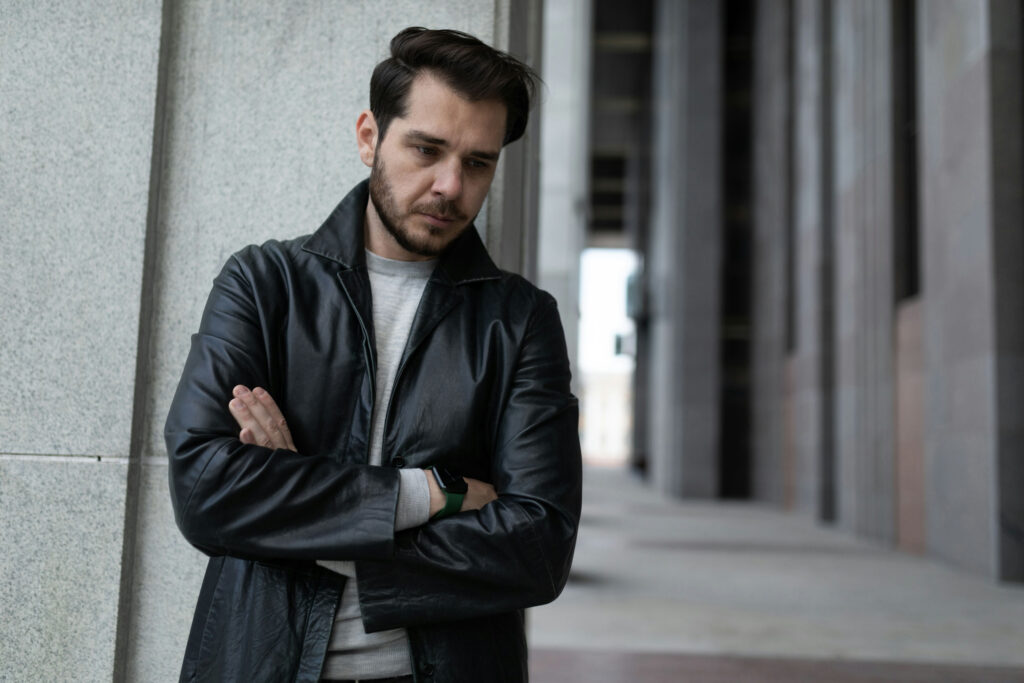
Seasonal affective disorder and substance use disorders frequently occur together. For many individuals, substances become a way to cope with the emotional and physical symptoms of seasonal depression.
The Effect of Addiction on SAD Symptoms
Substance use can temporarily dull feelings of sadness or anxiety. But over time, it often intensifies depressive symptoms. Alcohol, for example, is a central nervous system depressant that can worsen low mood, disrupt sleep, and increase fatigue (all common features of SAD).
As tolerance develops, individuals may increase substance use to achieve the same effects, deepening dependence and worsening mental health. This cycle can make it increasingly difficult to distinguish where seasonal depression ends and addiction begins.
Is There a Connection Between Sunlight, Mood, and Cravings for Substances?
Yes. Reduced sunlight exposure affects the brain’s reward system, which plays a role in motivation and pleasure. When serotonin and dopamine levels drop, individuals may seek external sources of relief or stimulation. Substances such as alcohol or drugs can temporarily activate these pathways, reinforcing use during periods of low mood or energy.
These biological changes can also influence cravings and reward pathways in the brain, which may contribute to substance use as individuals seek relief from emotional discomfort.
Seasonal Affective Disorder and Addiction: Who is Most at Risk?
While anyone can experience seasonal affective disorder or addiction, certain individuals face a higher risk when both conditions intersect. Individuals at higher risk include:
- People with a history of depression or anxiety
- Individuals with prior substance use disorders
- Those living in northern climates with limited winter sunlight
- Individuals experiencing chronic stress, trauma, or social isolation
- People with limited access to mental health or addiction care
In communities like Waukesha and the greater Wisconsin region, long winters, reduced outdoor activity, and holiday-related stress can further increase vulnerability.
Treatment for Seasonal Affective Disorder and Addiction

Effective treatment addresses both conditions simultaneously. Treating seasonal depression without addressing substance use, or vice versa, often leads to incomplete recovery.
At Denoon Recovery Center, we use an integrated approach that supports both mental health and addiction recovery. Healthy routines, such as consistent sleep schedules, physical activity, balanced nutrition, and social connection, can support recovery when combined with therapy and an outpatient treatment program in Wisconsin. This can be in the form of a partial hospitalization program (PHP) or intensive outpatient program (IOP).
Comprehensive Assessment
Treatment begins with a thorough evaluation of mental health symptoms, substance use patterns, physical health, and personal history. This allows clinicians to develop a personalized treatment plan that suits the person’s needs.
Therapy and Counseling
Evidence-based therapies, such as cognitive behavioral therapy (CBT), help individuals identify negative thought patterns, develop healthier coping strategies, and manage both depressive symptoms and cravings.
Addiction Treatment Services
Structured addiction treatment provides support for detoxification (when needed), relapse prevention, and long-term recovery planning.
Lifestyle and Wellness Support
Healthy routines, improved sleep habits, physical activity, and social connection can all play an important role in managing SAD and maintaining sobriety.
Ongoing Support and Aftercare
Recovery does not end when winter does. Continued therapy, peer support, and aftercare planning help individuals to maintain stability year-round.
Seasonal Affective Disorder and Addiction FAQs
Seasonal Affective Disorder and substance use can have overlapping symptoms, and each can change throughout the year. The following FAQs address common concerns and provide additional clarity for those considering treatment.
Is seasonal affective disorder the same as depression?
SAD is a form of depression that follows a seasonal pattern, most often occurring in fall and winter.
Can seasonal affective disorder occur outside of the winter months?
Yes. While SAD is most likely to occur in the fall and winter months, some individuals experience symptoms during spring or summer. This form of SAD is often linked to heat, disrupted sleep, or increased agitation rather than low energy and fatigue.
How do I know if my substance use is connected to seasonal depression?
If substance use increases during certain times of the year or becomes a way to cope with low mood, fatigue, or isolation, it may be linked to seasonal depression. A professional assessment can help identify the relationship between the two.
Does treating SAD reduce the risk of relapse?
Addressing seasonal depression can significantly reduce relapse risk by improving emotional regulation, energy levels, and coping skills. When mental health symptoms are managed effectively, individuals are less likely to rely on substances for relief.
Can SAD symptoms return after recovery?
Seasonal symptoms may reappear in future years. But with ongoing support, awareness, and preventative strategies, individuals can manage symptoms more effectively and maintain recovery.
When should I seek professional help?
If seasonal mood changes interfere with daily life, work, relationships, or lead to increased substance use, it’s important to seek professional support as early as possible.
Can SAD be treated without medication?
Many individuals benefit from therapy, lifestyle changes, and structured support. Treatment plans are personalized based on individual needs.
Denoon Recovery Center Is Here for You

Seasonal affective disorder is more than just winter blues. When combined with substance abuse, it can feel overwhelming. At Denoon Recovery Center in Waukesha, WI, we provide compassionate, evidence-based care for individuals struggling with both mental health challenges and addiction.
Our team understands the unique impact of seasonal changes in Wisconsin and offers personalized treatment designed to support long-term recovery and emotional well-being. If you or a loved one is experiencing seasonal depression, substance use, or both, reach out today. Taking the first step toward help can make all the difference, no matter the season.