
IOP vs PHP: What Are the Differences?

If you’re exploring outpatient addiction treatment for yourself or a loved one, you’ll likely encounter two common options: partial hospitalization programs (PHP) and intensive outpatient programs (IOP). Understanding the difference between IOP vs PHP is important, as choosing the right level of care can directly impact recovery outcomes and long-term stability.

Both IOP and PHP are outpatient programs, meaning no overnight stay is required, but they differ in structure, time commitment, and clinical support. PHP is more intensive, typically offering 20–30 hours of treatment per week across 5–7 days with close medical oversight. IOP requires 9–20 hours per week over 3–5 days and provides greater flexibility for individuals who can manage more independence.

Both programs at Denoon Recoverry in Waukesha, Wisconsin, treat substance use disorders and co-occurring mental health conditions using evidence-based therapies such as cognitive behavioral therapy (CBT) and dialectical behavioral therapy (DBT). The main difference lies in treatment intensity and the level of medical monitoring provided during recovery.

What Is a Partial Hospitalization Program (PHP)?
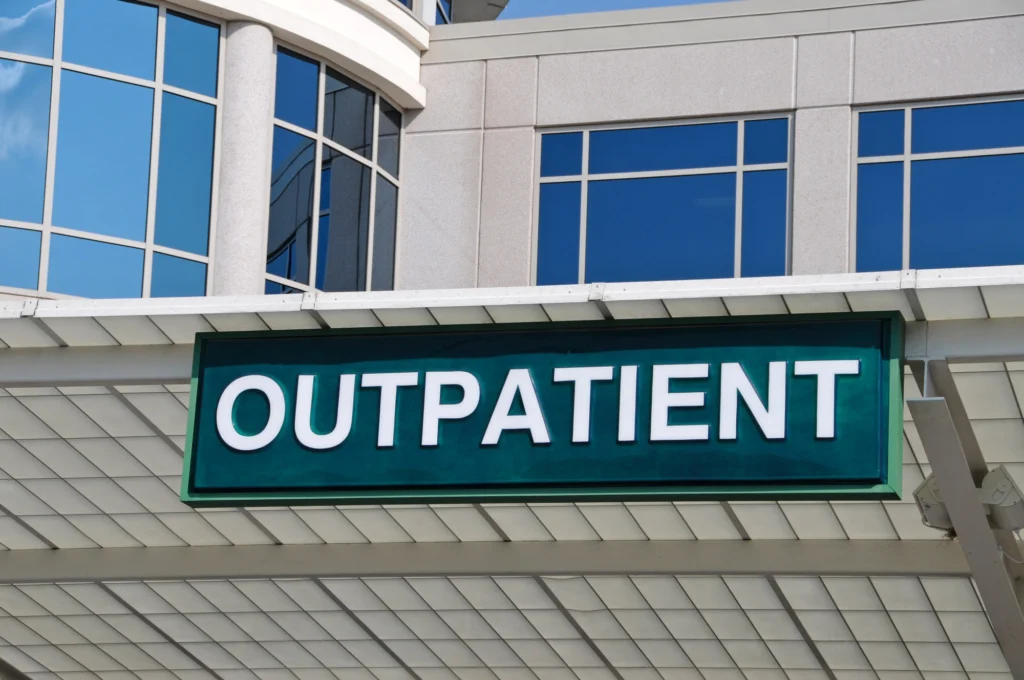
Outpatient treatment center signage

A partial hospitalization program (PHP) provides intensive clinical treatment during daytime hours while allowing individuals to return home each evening. This level of care is designed to bridge the gap between inpatient or residential treatment and less intensive outpatient services. PHP delivers hospital-level support without requiring 24-hour supervision, making it an ideal option for individuals who need significant structure and monitoring but do not require overnight care.

In a PHP, participants typically attend treatment 5–7 days per week, starting in the morning and ending in the mid-afternoon. Daily programming usually lasts 4–6 hours, totaling 20–30 hours of treatment per week. The schedule resembles a full-time job, providing consistency and routine—two critical components for stabilization during early recovery.

What a Typical Day in PHP Looks Like

A PHP day is highly structured and therapeutic. Participants often engage in:

  • Multiple group therapy sessions
  • Individual therapy or case management check-ins
  • Medication management and psychiatric evaluations
  • Psychoeducation and relapse prevention groups
  • Skills-based therapies focused on coping strategies, emotional regulation, and stress management

On-site medical and clinical staff are available throughout the day to address physical symptoms, manage medications, and respond to psychiatric or emotional crises. This level of oversight is especially important for individuals experiencing lingering withdrawal symptoms, initiating medication-assisted treatment (MAT), or managing severe mental health symptoms.

Key Characteristics of PHP

  • Intensive Schedule: 20–30 hours of structured treatment weekly across 5–7 days
  • Medical Support: On-site psychiatrists, nurses, and licensed clinicians during program hours
  • Flexibility: Participants return home evenings and weekends
  • Clinical Environment: Hospital-like setting designed for stabilization and comprehensive care

PHP is often recommended for individuals stepping down from inpatient or residential treatment who still need daily support. It can also serve as a starting point for those whose symptoms are too severe for standard outpatient care but who do not require round-the-clock supervision.

What Is an Intensive Outpatient Program (IOP)?

An intensive outpatient program (IOP) provides structured addiction and mental health treatment while allowing individuals to live at home and maintain greater independence. IOP occupies the middle ground between traditional outpatient therapy and higher levels of care such as PHP or residential treatment.

IOP typically requires 9–20 hours of treatment per week, spread across 3–5 days. Sessions generally last 2–4 hours and are often scheduled during evenings or weekends. This flexibility allows participants to continue working, attending school, or caring for family members while actively engaging in treatment.

What IOP Treatment Includes

Group therapy setting illustrating IOP vs PHP levels of care in outpatient treatment programs.

IOP incorporates many of the same evidence-based therapies used in PHP, including:

  • Cognitive behavioral therapy (CBT) to challenge harmful thought patterns
  • Dialectical behavioral therapy (DBT) for emotional regulation and distress tolerance
  • Group therapy focused on peer support and accountability
  • Individual therapy to address personal challenges and treatment goals
  • Relapse prevention planning and coping skill development

Because participants spend more time outside of treatment, IOP emphasizes applying recovery skills in real-world settings. Individuals practice what they learn in therapy at home, work, and in social situations, then process successes and challenges during sessions.

Advantages of IOP Scheduling

  • Flexible Timing: Evening and weekend options accommodate work and school
  • Reduced Weekly Hours: 9–20 hours allows time for daily responsibilities
  • Home-Based Recovery: Practice skills in everyday environments
  • Gradual Independence: Builds confidence managing recovery between sessions

IOP also provides integrated dual diagnosis treatment, addressing both substance use disorders and co-occurring mental health conditions. Medication management is available for individuals who benefit from psychiatric medications, with oversight provided during scheduled appointments.

IOP commonly serves as a step-down from PHP or residential care, but it can also function as a primary treatment option for individuals with moderate symptoms and a stable living environment.

Differences Between IOP vs PHP

When comparing PHP and IOP, three primary differences stand out: treatment intensity, time commitment, and level of medical supervision. Understanding these distinctions helps determine which program aligns best with an individual’s clinical needs and daily life.

Treatment Intensity and Time Requirements

PHP programs operate 5–7 days per week, with sessions lasting 4–6 hours daily. This structure supports individuals who need consistent therapeutic engagement and daily monitoring during early recovery or periods of instability.

IOP programs meet 3–5 days per week for 2–4 hours per session. The reduced schedule allows participants to maintain employment, education, or family responsibilities while still receiving structured support.

PHP often follows inpatient treatment as a step-down level of care, while IOP typically follows PHP or serves as an entry point for individuals with moderate symptoms. Duration in either program varies based on progress rather than fixed timelines.

Level of Medical Supervision

PHP offers hospital-level clinical oversight. Multidisciplinary teams, ncluding physicians, psychiatrists, nurses, and therapists, are available throughout treatment hours. This allows for immediate response to medical or psychiatric concerns, medication adjustments, and crisis intervention.

IOP provides medical monitoring through scheduled appointments rather than continuous supervision. Participants take greater responsibility for medication adherence and symptom management, with guidance from clinical providers during sessions.

Medication management is more intensive in PHP, often involving daily monitoring. In IOP, individuals develop self-management skills essential for long-term recovery.

Treatment Goals and Objectives in PHP and IOP

Both PHP and IOP aim to support lasting recovery, stabilize mental health, and promote independent functioning. The difference lies in how much daily support is provided.

Substance Use Disorder Recovery

PHP delivers 20–30 hours of weekly therapy for individuals with severe addiction requiring daily intervention. IOP offers 9–20 hours weekly for those with moderate addiction or transitioning from higher levels of care.
Both programs treat alcohol, opioid, stimulant, and prescription drug addictions using:
● Cognitive Behavioral Therapy

● Dialectical Behavioral Therapy

● Group counseling and peer support

● Relapse prevention strategies

● Medication-assisted treatment when appropriate


Mental Health Stabilization

PHP provides intensive daily support for individuals experiencing acute mental health symptoms. IOP supports those with stable symptoms who can manage daily responsibilities.
Both levels of care address conditions such as depression, anxiety, PTSD, and bipolar disorder through trauma-informed, evidence-based approaches.


Dual Diagnosis Treatment

Integrated treatment ensures substance use and mental health disorders are addressed simultaneously. PHP offers comprehensive daily care for severe dual diagnosis cases, while IOP provides coordinated weekly care for individuals managing symptoms independently.

Treatment Modalities Used in PHP vs IOP

Comparing IOP vs PHP during outpatient mental health treatment with clinician support.

PHP and IOP share many therapeutic approaches, differing primarily in frequency and intensity.

Evidence-Based Therapies

  • Individual Therapy: 3–5 times weekly in PHP; 1–2 times weekly in IOP
  • Group Therapy: Daily and often multiple sessions in PHP; 3–5 days weekly in IOP
  • CBT: Core component in both programs
  • DBT: Offered more frequently in PHP, with additional skills practice

Family Therapy and Support

Both programs incorporate family therapy to rebuild trust, improve communication, and educate loved ones about addiction and recovery. Family involvement strengthens outcomes and supports long-term success.

How Do You Choose Between IOP vs PHP?

Choosing between PHP and IOP is not about which program is better—it’s about which is right for your current needs. Clinical assessments consider medical stability, psychiatric symptoms, substance use severity, living environment, and personal responsibilities.

Key considerations include:

  • Medical and psychiatric needs
  • Ability to manage daily responsibilities
  • Strength of support system
  • Previous treatment history
  • Motivation and readiness for independence

PHP typically lasts 2–6 weeks, while IOP often continues 8–12 weeks, with transitions based on progress.

Importance of Aftercare in Recovery

Aftercare is a critical component of sustained recovery and begins during PHP or IOP—not after discharge. Continued support reduces relapse risk and promotes long-term stability.

Aftercare may include:

  • Ongoing individual or group therapy
  • Support groups and peer recovery programs
  • Continued medication management
  • Life skills and vocational support

Receive Outpatient Care at Denoon Recovery Center

Denoon Recovery Center offers both PHP and IOP in Waukesha, Wisconsin. Our experienced clinical team works closely with each individual to determine the most appropriate level of care based on clinical needs and life circumstances.

Dual diagnosis treatment addresses substance use disorders and co-occurring mental health conditions using evidence-based therapies, individualized treatment plans, family involvement, and medication management when needed. Most major insurance plans are accepted.

Whether you need the intensive structure of PHP or the flexibility of IOP, Denoon Recovery Center provides a seamless continuum of care designed to support lasting recovery. Contact us today for a confidential assessment and to explore treatment options tailored to your needs.


Accessibility Toolbar

IOP vs PHP: What Are the Differences?

Denoon-Lake-icon

Denoon Recovery
Medical Reviewer

If you’re exploring outpatient addiction treatment for yourself or a loved one, you’ll likely encounter two common options: partial hospitalization programs (PHP) and intensive outpatient programs (IOP). Understanding the difference between IOP vs PHP is important, as choosing the right level of care can directly impact recovery outcomes and long-term stability.

Both IOP and PHP are outpatient programs, meaning no overnight stay is required, but they differ in structure, time commitment, and clinical support. PHP is more intensive, typically offering 20–30 hours of treatment per week across 5–7 days with close medical oversight. IOP requires 9–20 hours per week over 3–5 days and provides greater flexibility for individuals who can manage more independence.

Both programs at Denoon Recoverry in Waukesha, Wisconsin, treat substance use disorders and co-occurring mental health conditions using evidence-based therapies such as cognitive behavioral therapy (CBT) and dialectical behavioral therapy (DBT). The main difference lies in treatment intensity and the level of medical monitoring provided during recovery.

What Is a Partial Hospitalization Program (PHP)?

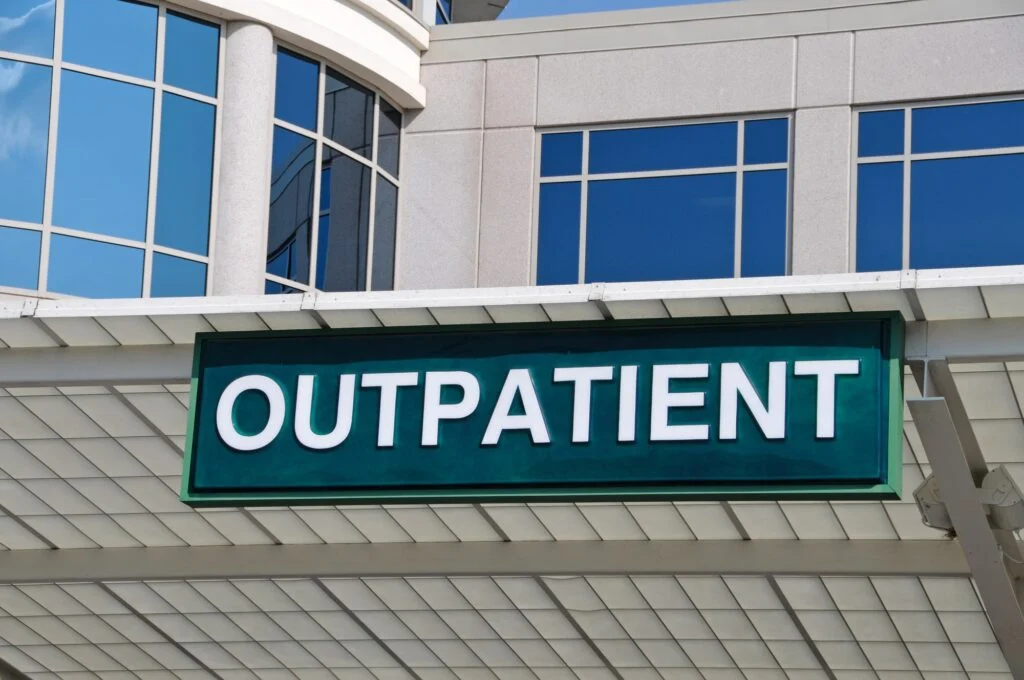
Outpatient treatment center signage

A partial hospitalization program (PHP) provides intensive clinical treatment during daytime hours while allowing individuals to return home each evening. This level of care is designed to bridge the gap between inpatient or residential treatment and less intensive outpatient services. PHP delivers hospital-level support without requiring 24-hour supervision, making it an ideal option for individuals who need significant structure and monitoring but do not require overnight care.

In a PHP, participants typically attend treatment 5–7 days per week, starting in the morning and ending in the mid-afternoon. Daily programming usually lasts 4–6 hours, totaling 20–30 hours of treatment per week. The schedule resembles a full-time job, providing consistency and routine—two critical components for stabilization during early recovery.

What a Typical Day in PHP Looks Like

A PHP day is highly structured and therapeutic. Participants often engage in:

  • Multiple group therapy sessions
  • Individual therapy or case management check-ins
  • Medication management and psychiatric evaluations
  • Psychoeducation and relapse prevention groups
  • Skills-based therapies focused on coping strategies, emotional regulation, and stress management

On-site medical and clinical staff are available throughout the day to address physical symptoms, manage medications, and respond to psychiatric or emotional crises. This level of oversight is especially important for individuals experiencing lingering withdrawal symptoms, initiating medication-assisted treatment (MAT), or managing severe mental health symptoms.

Key Characteristics of PHP

  • Intensive Schedule: 20–30 hours of structured treatment weekly across 5–7 days
  • Medical Support: On-site psychiatrists, nurses, and licensed clinicians during program hours
  • Flexibility: Participants return home evenings and weekends
  • Clinical Environment: Hospital-like setting designed for stabilization and comprehensive care

PHP is often recommended for individuals stepping down from inpatient or residential treatment who still need daily support. It can also serve as a starting point for those whose symptoms are too severe for standard outpatient care but who do not require round-the-clock supervision.

What Is an Intensive Outpatient Program (IOP)?

An intensive outpatient program (IOP) provides structured addiction and mental health treatment while allowing individuals to live at home and maintain greater independence. IOP occupies the middle ground between traditional outpatient therapy and higher levels of care such as PHP or residential treatment.

IOP typically requires 9–20 hours of treatment per week, spread across 3–5 days. Sessions generally last 2–4 hours and are often scheduled during evenings or weekends. This flexibility allows participants to continue working, attending school, or caring for family members while actively engaging in treatment.

What IOP Treatment Includes

Group therapy setting illustrating IOP vs PHP levels of care in outpatient treatment programs.

IOP incorporates many of the same evidence-based therapies used in PHP, including:

  • Cognitive behavioral therapy (CBT) to challenge harmful thought patterns
  • Dialectical behavioral therapy (DBT) for emotional regulation and distress tolerance
  • Group therapy focused on peer support and accountability
  • Individual therapy to address personal challenges and treatment goals
  • Relapse prevention planning and coping skill development

Because participants spend more time outside of treatment, IOP emphasizes applying recovery skills in real-world settings. Individuals practice what they learn in therapy at home, work, and in social situations, then process successes and challenges during sessions.

Advantages of IOP Scheduling

  • Flexible Timing: Evening and weekend options accommodate work and school
  • Reduced Weekly Hours: 9–20 hours allows time for daily responsibilities
  • Home-Based Recovery: Practice skills in everyday environments
  • Gradual Independence: Builds confidence managing recovery between sessions

IOP also provides integrated dual diagnosis treatment, addressing both substance use disorders and co-occurring mental health conditions. Medication management is available for individuals who benefit from psychiatric medications, with oversight provided during scheduled appointments.

IOP commonly serves as a step-down from PHP or residential care, but it can also function as a primary treatment option for individuals with moderate symptoms and a stable living environment.

Differences Between IOP vs PHP

When comparing PHP and IOP, three primary differences stand out: treatment intensity, time commitment, and level of medical supervision. Understanding these distinctions helps determine which program aligns best with an individual’s clinical needs and daily life.

Treatment Intensity and Time Requirements

PHP programs operate 5–7 days per week, with sessions lasting 4–6 hours daily. This structure supports individuals who need consistent therapeutic engagement and daily monitoring during early recovery or periods of instability.

IOP programs meet 3–5 days per week for 2–4 hours per session. The reduced schedule allows participants to maintain employment, education, or family responsibilities while still receiving structured support.

PHP often follows inpatient treatment as a step-down level of care, while IOP typically follows PHP or serves as an entry point for individuals with moderate symptoms. Duration in either program varies based on progress rather than fixed timelines.

Level of Medical Supervision

PHP offers hospital-level clinical oversight. Multidisciplinary teams, ncluding physicians, psychiatrists, nurses, and therapists, are available throughout treatment hours. This allows for immediate response to medical or psychiatric concerns, medication adjustments, and crisis intervention.

IOP provides medical monitoring through scheduled appointments rather than continuous supervision. Participants take greater responsibility for medication adherence and symptom management, with guidance from clinical providers during sessions.

Medication management is more intensive in PHP, often involving daily monitoring. In IOP, individuals develop self-management skills essential for long-term recovery.

Treatment Goals and Objectives in PHP and IOP

Both PHP and IOP aim to support lasting recovery, stabilize mental health, and promote independent functioning. The difference lies in how much daily support is provided.

Substance Use Disorder Recovery

PHP delivers 20–30 hours of weekly therapy for individuals with severe addiction requiring daily intervention. IOP offers 9–20 hours weekly for those with moderate addiction or transitioning from higher levels of care.
Both programs treat alcohol, opioid, stimulant, and prescription drug addictions using:
● Cognitive Behavioral Therapy

● Dialectical Behavioral Therapy

● Group counseling and peer support

● Relapse prevention strategies

● Medication-assisted treatment when appropriate


Mental Health Stabilization

PHP provides intensive daily support for individuals experiencing acute mental health symptoms. IOP supports those with stable symptoms who can manage daily responsibilities.
Both levels of care address conditions such as depression, anxiety, PTSD, and bipolar disorder through trauma-informed, evidence-based approaches.


Dual Diagnosis Treatment

Integrated treatment ensures substance use and mental health disorders are addressed simultaneously. PHP offers comprehensive daily care for severe dual diagnosis cases, while IOP provides coordinated weekly care for individuals managing symptoms independently.

Treatment Modalities Used in PHP vs IOP

Comparing IOP vs PHP during outpatient mental health treatment with clinician support.

PHP and IOP share many therapeutic approaches, differing primarily in frequency and intensity.

Evidence-Based Therapies

  • Individual Therapy: 3–5 times weekly in PHP; 1–2 times weekly in IOP
  • Group Therapy: Daily and often multiple sessions in PHP; 3–5 days weekly in IOP
  • CBT: Core component in both programs
  • DBT: Offered more frequently in PHP, with additional skills practice

Family Therapy and Support

Both programs incorporate family therapy to rebuild trust, improve communication, and educate loved ones about addiction and recovery. Family involvement strengthens outcomes and supports long-term success.

How Do You Choose Between IOP vs PHP?

Choosing between PHP and IOP is not about which program is better—it’s about which is right for your current needs. Clinical assessments consider medical stability, psychiatric symptoms, substance use severity, living environment, and personal responsibilities.

Key considerations include:

  • Medical and psychiatric needs
  • Ability to manage daily responsibilities
  • Strength of support system
  • Previous treatment history
  • Motivation and readiness for independence

PHP typically lasts 2–6 weeks, while IOP often continues 8–12 weeks, with transitions based on progress.

Importance of Aftercare in Recovery

Aftercare is a critical component of sustained recovery and begins during PHP or IOP—not after discharge. Continued support reduces relapse risk and promotes long-term stability.

Aftercare may include:

  • Ongoing individual or group therapy
  • Support groups and peer recovery programs
  • Continued medication management
  • Life skills and vocational support

Receive Outpatient Care at Denoon Recovery Center

Denoon Recovery Center offers both PHP and IOP in Waukesha, Wisconsin. Our experienced clinical team works closely with each individual to determine the most appropriate level of care based on clinical needs and life circumstances.

Dual diagnosis treatment addresses substance use disorders and co-occurring mental health conditions using evidence-based therapies, individualized treatment plans, family involvement, and medication management when needed. Most major insurance plans are accepted.

Whether you need the intensive structure of PHP or the flexibility of IOP, Denoon Recovery Center provides a seamless continuum of care designed to support lasting recovery. Contact us today for a confidential assessment and to explore treatment options tailored to your needs.
Denoon Recovery

We Help You Up!

You and your life-long recovery are our priority at Denoon Recovery. Contact us today to discuss your personalized treatment plan toward sobriety.

Table of Contents
Scroll to Top